
If you’ve ever stood at a gun counter staring at two pistols and felt your brain lock up, you’re not alone. Do I go with the one that feels good in the hand? The one the guy at the shop swears by? Or the one with a thousand YouTube reviews and fanboys arguing in the comments?
Second-guessing is part of the process, but it doesn’t have to paralyze you. I’ve seen too many shooters — from rookies to seasoned folks — waste months overthinking and then still end up with something that doesn’t fit their life.
That’s why I use the F.I.T.S. Framework. It’s a simple, repeatable way to cut through the noise and pick a pistol you’ll actually carry with confidence. And since most of my content is everyday carry focused, we’ll run this framework through that lens.
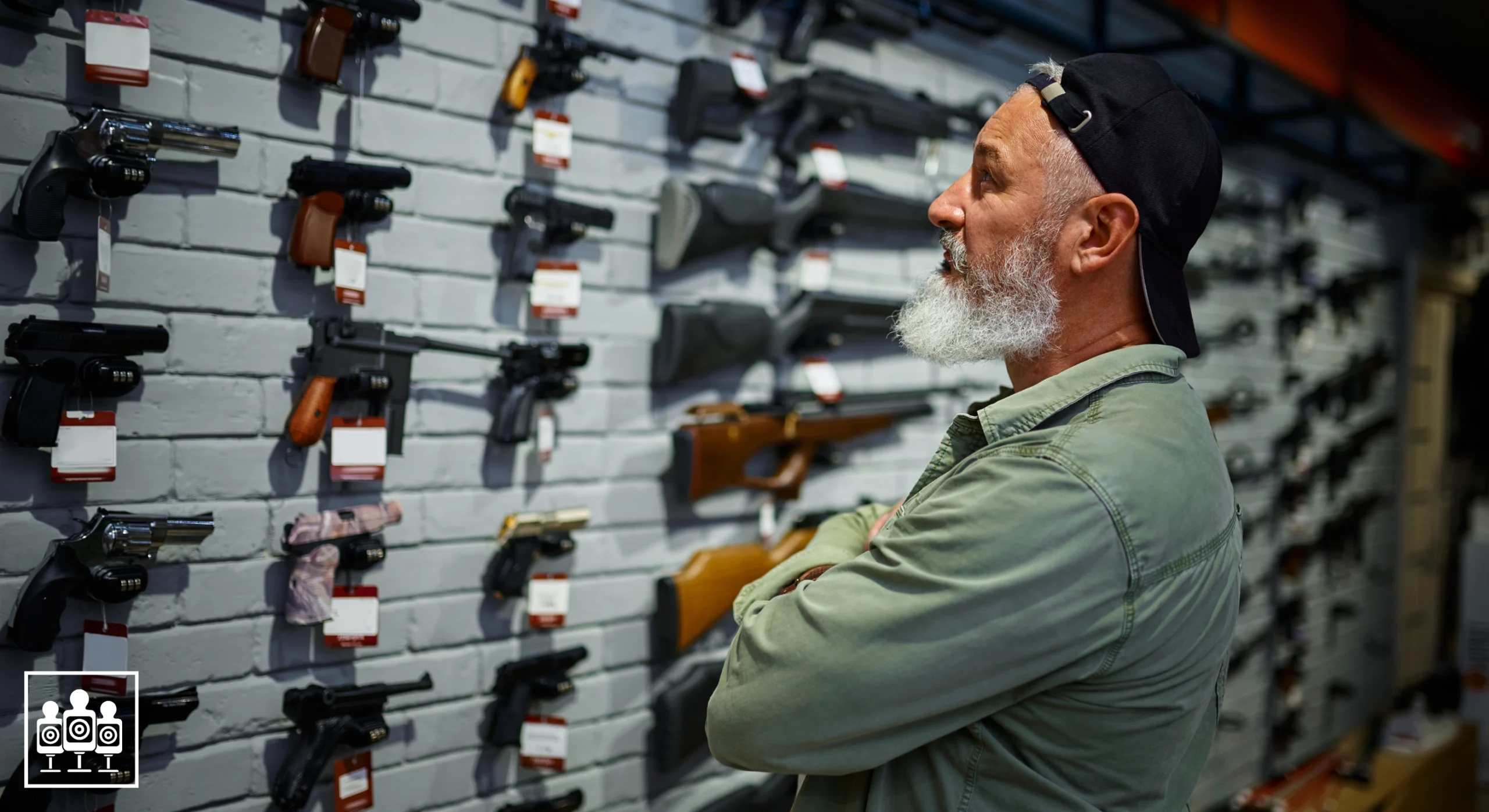
F — Function (What’s the job?)
Before you even touch a pistol, ask what role it needs to fill. Are you carrying it inside the waistband every day, leaving it in a quick-access safe at home, or using it as a range trainer? Everyday carry demands concealability, quick handling, and reliability under stress. Home defense allows for something a little larger and heavier.
I — Integration (How does it fit your system?)
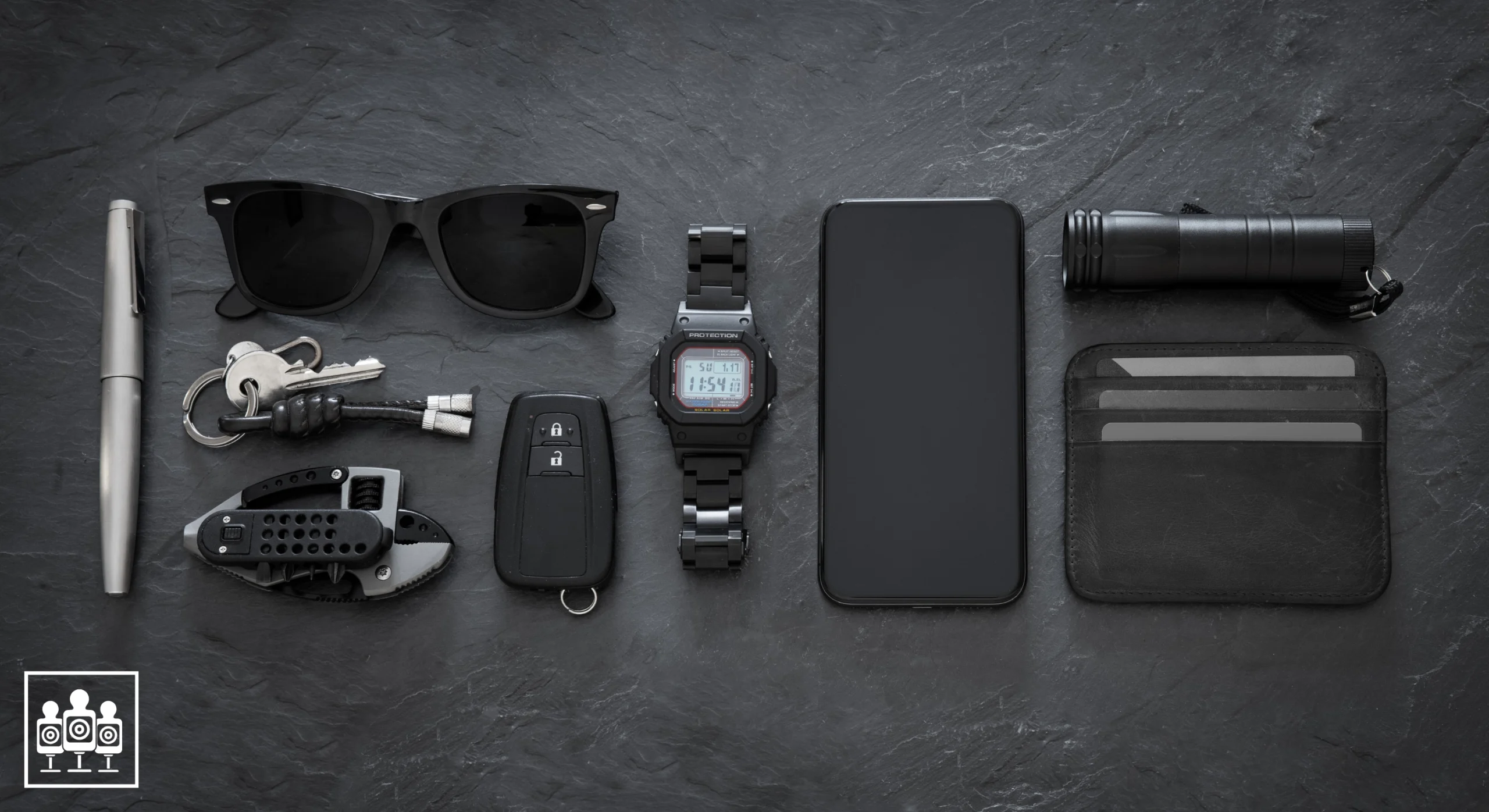
Your gun doesn’t live in a vacuum. It has to work with your body type, wardrobe, holster, belt, and the rest of your EDC gear. If it’s too bulky, you’ll leave it at home. If it doesn’t play nice with your setup, you’ll end up frustrated.
T — Training (Can you actually run it under stress?)
Anyone can make a pistol look good in slow fire at seven yards. The real test is running reloads, shooting pairs under a timer, or doing shoot-don’t-shoot drills. If you can’t test in person, dig into reviews from people who push the gun in realistic scenarios.
S — Sustainability (Will you keep using it?)
Ask if the pistol will still serve you a year from now. Can you find affordable ammo for it? Are spare mags reliable? Does it support optics or upgrades that might matter later? If it’s a dead-end platform, you’ll regret it when you’re ready to grow.
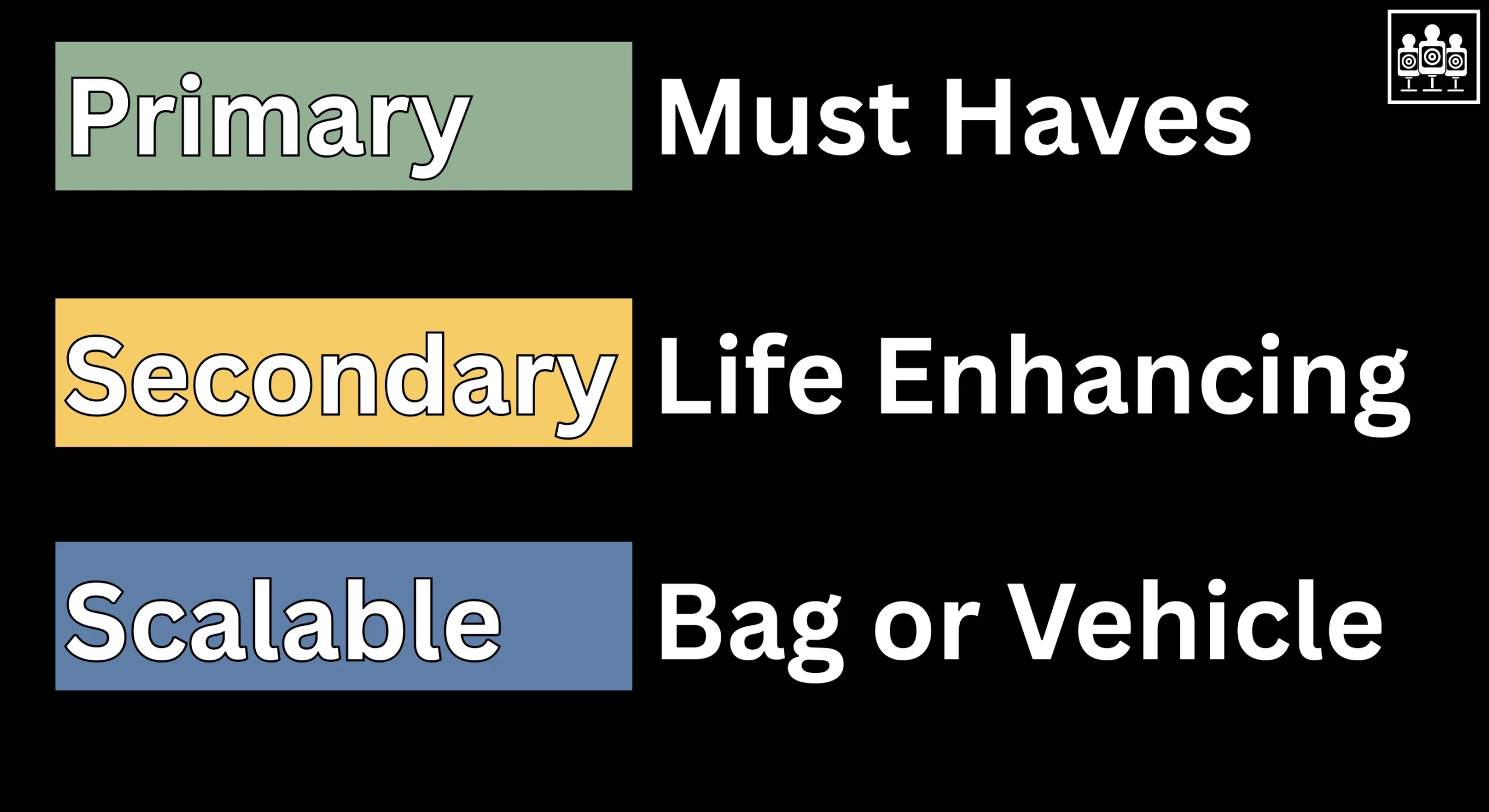
When I ran the Springfield XD Subcompact and Smith & Wesson Equalizer through the F.I.T.S. filter, here’s how they shook out:
The takeaway? Both are solid, but the Equalizer checks more boxes for the average everyday carrier.
| Approach | Pros | Cons |
|---|---|---|
|
F.I.T.S. Framework |
Clear, repeatable, no regrets |
Takes a little discipline |
|
Impulse Buying |
Quick, fun, instant gratification |
Regret, wasted money, poor fit |
Even the perfect pistol won’t save you if the rest of your kit is a mess. That’s where a lot of people fail: great gun, junk-drawer EDC. If you’re carrying mismatched gear with no system, you’re just creating new problems.
That’s why next week we’re tackling The EDC Junk Drawer Problem. Because your firearm should be part of a clean, reliable system, not the only star of the show.
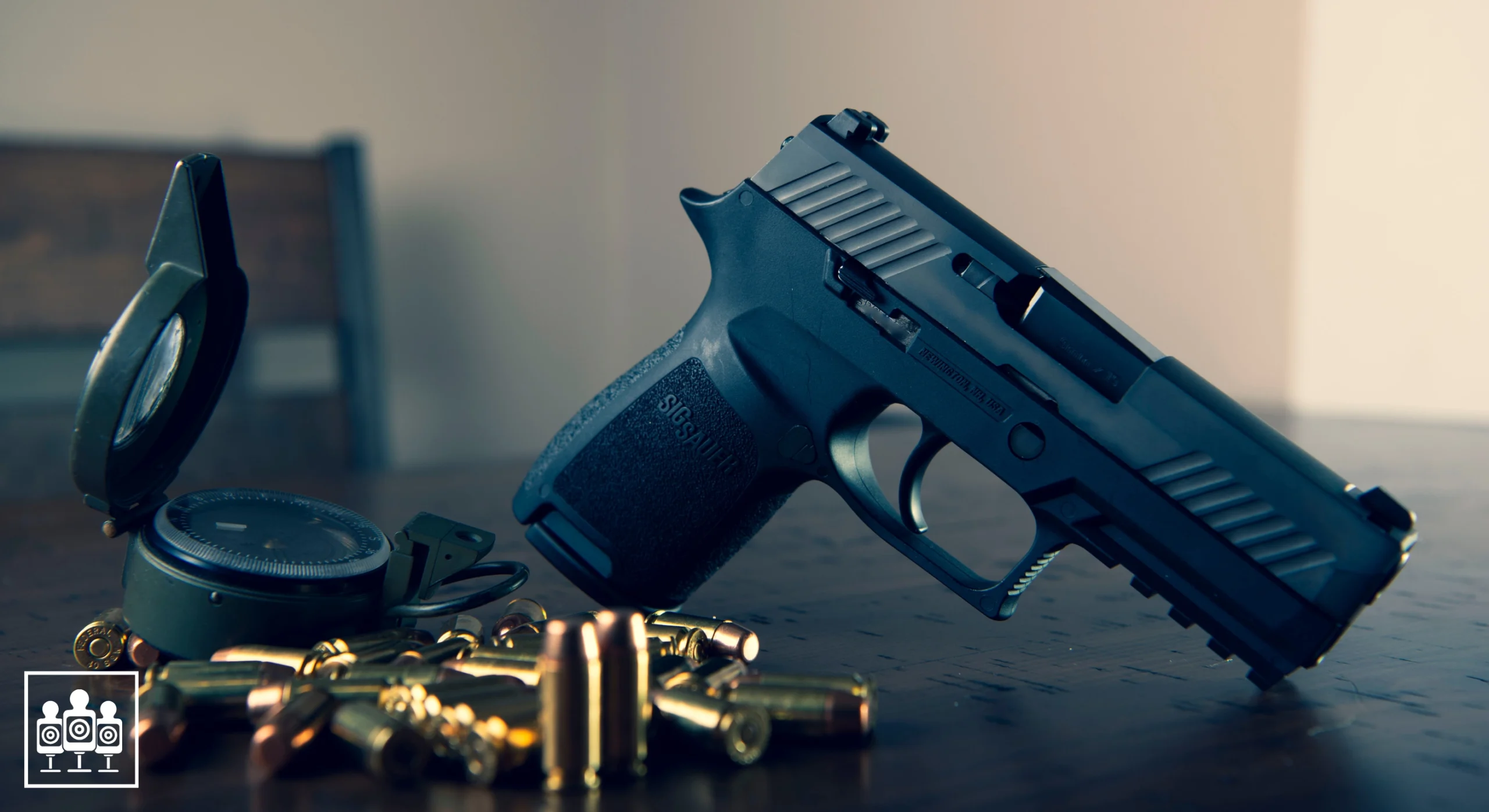
The F.I.T.S. Framework makes pistol selection simple:
Do that, and you won’t be stuck second-guessing yourself or chasing the next shiny release.
Want to see the framework applied in action? Watch my Week 1 video on the Springfield XD vs S&W Equalizer to see which one came out on top in real drills. Then follow along for next week’s breakdown on fixing your EDC junk drawer.
👉 For more frameworks, drills, and guides, visit our YouTube channel
| Dave Pitcher, who’s been shooting and handling firearms since 1988. In addition, Dave’s served 12 years in the Army Reserve with deployments to Qatar and Afghanistan. This article is for educational purposes only and is not legal advice. Laws, rosters, and Glock’s discontinued list can change. Last updated: October 30, 2025. |
Join thousands of Everyday Gun Owners learning real-world preparedness, without the hype.
No spam. You can unsubscribe anytime.