Buy a gun. Get your permit. Train. You’re prepared.
That’s what everyone tells you. Nobody talks about what happens after a self defense shooting. The arrest. The interrogation. The legal bills that start the moment you pull the trigger — justified or not. The civil lawsuit that comes after you’ve already been cleared.
I’ve carried for years. And if I’m being honest with you, the thing that keeps me up at night isn’t whether I can make the shot. It’s what comes after. I’m terrified that I’ll do everything right — defend myself, defend someone who can’t defend themselves — and still end up in handcuffs, in debt, or both. Not because I did something wrong. Because that’s how the system actually works sometimes.
This article exists because nobody talked to me about this when I started carrying. Somebody should have.
— David Pitcher, USCCA Certified Instructor, Everyday Gun Owner
Most gun owners spend thousands of hours and dollars preparing for the threat. They buy the gun, stock up on ammunition, pay for range memberships, take training classes, and research holsters until their eyes blur. Almost none of them have a plan for what really happens after a self-defense shooting — the arrest, the legal bills, the civil lawsuit that can follow even a completely justified shoot.
Here’s what nobody tells you. Being right is not enough. The decisions you make in the minutes, hours, and months after a defensive shooting can affect your legal standing, your financial future, and your freedom — regardless of whether you were justified.
That’s not a scare tactic. That’s the documented reality of two real cases involving two real carriers who did everything right. We’ll get to them shortly.
This article walks you through what to do after a self-defense shooting, what the legal and financial exposure actually looks like, and how four services — USCCA, CCW Safe, US Law Shield, and Attorneys on Retainer — exist specifically to protect you when the system starts asking hard questions.
Read it before you need it. That’s the whole point.
The threat is over. You’re alive. Your family is safe.
And your hands won’t stop shaking.
This is where most people’s mental preparation ends. This is also where the legal process begins. What you do in the next sixty minutes matters as much as anything that happened before you pulled the trigger.
First Thing You Do: You call 911. Not your spouse. Not your attorney. 911 first.
I know that sounds obvious. But it matters enough to say plainly, because there is genuine disagreement in the self-defense community about the order of operations. CCW Safe’s guidance is clear — be the first to call, even if you didn’t pull the trigger, because the first person to report often shapes how the initial incident report gets written.¹ USCCA agrees: call 911, then immediately contact their Critical Response Team.² That matches my training as a USCCA instructor, and it’s what I’d personally do — call 911, then call Attorneys on Retainer, which is the service my father and I chose.
Here’s where it gets complicated. Some members of certain services have reported being told to call their program attorney before calling 911. I’m not going to tell you which protocol your specific service recommends — that’s a conversation you need to have with them directly, before you ever need it. Whatever service you choose, get their exact sequence and memorize it. The worst time to figure this out is standing over a downed attacker with your hands shaking.³
When you call 911, keep it short. Give your name, your location, a description of what you’re wearing. Tell them you were attacked and had to defend yourself. Request police and medical assistance. That’s it. Frame the call around what happened to you, not what you did — you want police arriving knowing you are the victim.⁴ The call is recorded from the moment your phone connects. Often before the operator picks up.
Then stop talking.
When police arrive, three things matter immediately. Holster your firearm or place it on the ground and step away before they reach you. Raise your hands to face level, palms out, and identify yourself as the person who called.⁵ Follow every instruction without argument.
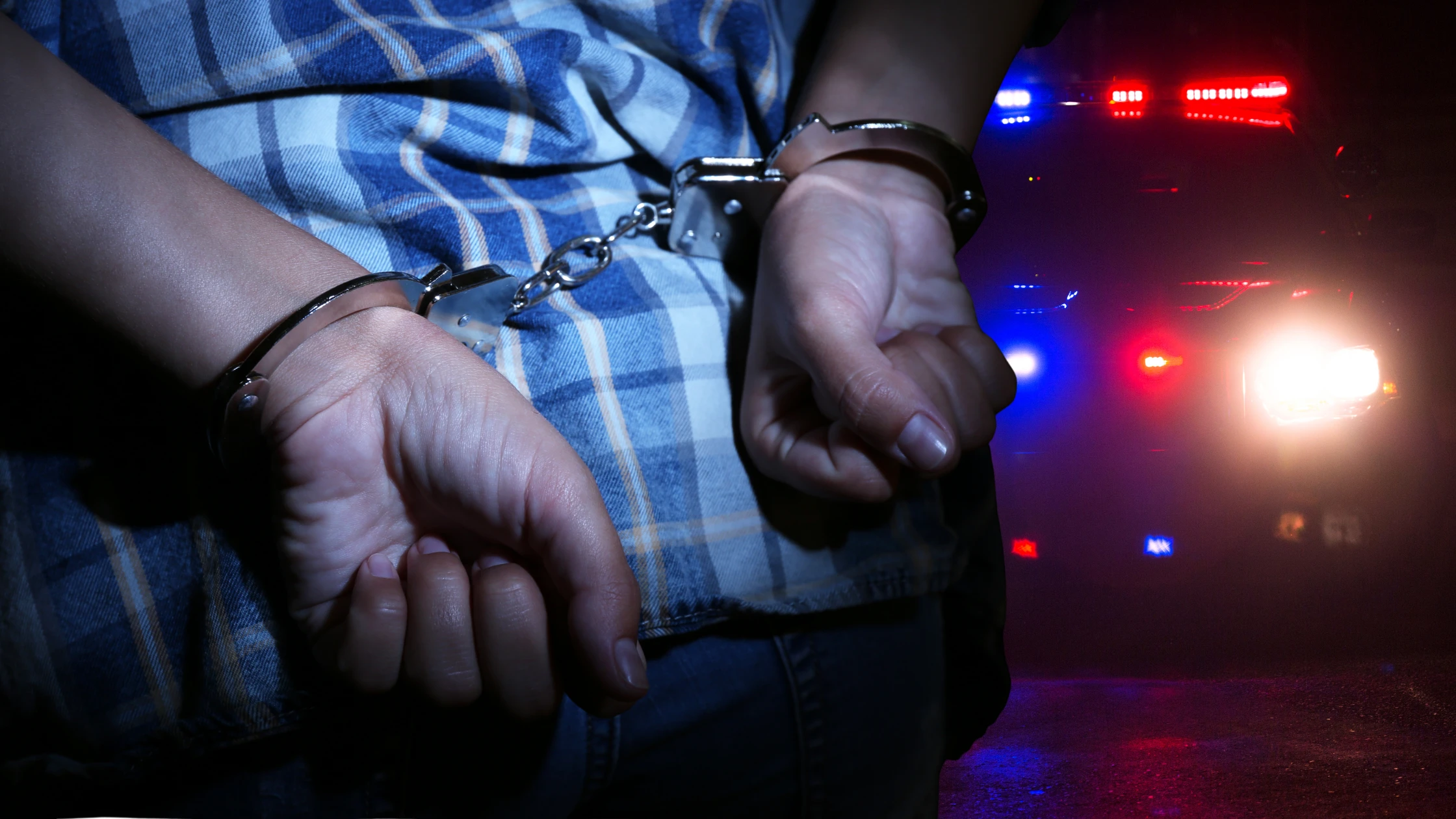
Expect to be detained. Possibly handcuffed. Possibly put in the back of a patrol car. Officers responding to a shooting are dealing with limited information — they don’t know who the victim is and who is the attacker.⁶ This is standard procedure. It feels like an accusation. It isn’t. Stay calm. Stay polite. Don’t take it personally.
Now say these things to the responding officers: You were attacked. You feared for your life. You defended yourself. You want an attorney before you say anything else.
If you were defending someone else rather than yourself, the statement changes — and the legal standards that apply change with it. Tell them briefly that you acted to defend another person whose life was in danger. Then stop talking. This is a scenario worth discussing specifically with your legal protection provider before you ever need it. Ask them directly what you should say. Whatever the situation, get back to the four words that matter in every case: I want an attorney.
Then stop talking again.
I know. Your brain is flooded with adrenaline. You want to explain. You want to make sure they understand what happened. You want to be helpful. Fight that impulse. After a high-stress incident your sense of time is distorted, your memory is unreliable, and your brain may actually fill in gaps with details that never happened.⁷ Even police officers involved in shootings are routinely advised to wait before giving formal statements — for exactly this reason. Anything you say before an attorney is present can complicate your case. Even if every word is true. Even if your intentions are good.
There is also genuine expert debate about whether to say anything beyond your name and a request for an attorney. Attorneys on Retainer’s founder Marc Victor and renowned firearms expert Massad Ayoob publicly disagreed on this exact point — Ayoob advocates a brief statement identifying yourself as the victim, Victor advocates complete silence. They agreed to disagree.⁸ I’m not going to settle that debate here. What I will say is this: if you have a legal protection service, their attorney is the person who should be guiding that decision in real time. Which is exactly why having one matters.
Your firearm is going with the police. It’s evidence now. Don’t argue about it. You may not see it again for months — even if the shooting is ruled completely justified.⁹ If you carry daily, budget for a replacement. Your carry system doesn’t stop being important just because you’re in the middle of a legal process.
This is the first sixty minutes. No charges filed yet. No courtroom. No jury. Just you, the aftermath, and a legal process already in motion whether you’re ready or not.
Here’s the gut punch. Most of the people reading this have spent more time researching holsters than thinking about this moment. I was one of them.
Don’t be that guy.
This is code for “buy something bulky that you’ll hate carrying.” Heavy pistols are often left at home, which makes them useless in an emergency. As one prepper community summed up, “With lower recoil, more cost efficient ammunition, higher capacity… 9mm is definitely an excellent choice… Less recoil is obviously better for newer shooters.”⁴
Let me tell you about a man who did everything right.
Maurice Byrd was an Army veteran with a licensed to carry. When trouble started brewing with a neighbor — a man with three DUI convictions including a vehicular homicide charge — Byrd called police before anything escalated. He stayed at the scene afterward. A security camera from an adjacent business captured the entire incident on video.¹⁰
He was arrested the same day. Jailed without bail.
Let that sink in. Video evidence. Valid carry permit. Byrd called police first. Still in handcuffs by sundown.
Byrd sat in that jail for nearly ten months waiting for his day in court. His barbershop — a business he’d built — sat closed while prosecutors decided whether a man who called 911 first, held a valid carry permit, and had surveillance footage on his side had committed murder. First degree murder. The charge that carries mandatory life without parole in Pennsylvania.
On March 27, 2025, a Montgomery County jury found Maurice Byrd not guilty of first-degree murder and all related counts after four days of trial.¹¹
Not guilty. After ten months. After losing his business. After his family drained their savings into legal fees. After his first attorney died mid-case.
He walked out of that courthouse smiling and said “We fought a great fight, and the truth prevailed.”¹²
The truth prevailed. Eventually. At a cost most people couldn’t survive financially or emotionally.
Here’s what Byrd’s case actually teaches you — and it’s not what most people take away from it.
The internet commandos will tell you “just be justified and you’ll be fine.” Byrd was justified. He had video proof. He had witnesses. He had a documented history of the threat against him. None of that kept him out of jail. None of that kept his business open. None of that paid his legal bills while he waited.
What happens if you shoot someone in self defense is not determined solely by what you did. It’s determined by what prosecutors, investigators, and ultimately a jury decide about what you did. Those are not always the same thing. The system is not a math equation with a guaranteed answer. It is a human process with human variables, and sometimes it grinds up good people on the way to the right conclusion.
Byrd survived the threat. The question is whether he survived the aftermath.
The answer is complicated. And expensive. And it took ten months to get there.
Could you survive ten months?
Here’s the part that surprises people who think they’ve thought this through.
Criminal court isn’t the finish line.
Kyle Carruth found that out in Weatherford, Texas. A trespasser confronted him on his property. Carruth shot him. A grand jury reviewed the evidence and cleared him of any wrongdoing in 2022 — no criminal charges filed, no trial, no conviction.¹³
Then the civil lawsuits started.
Carruth did nothing wrong. A grand jury said so. And he still lost over $500,000 in legal fees and ultimately his business fighting lawsuits that followed a legal exoneration.¹⁴ He won the criminal question and lost everything else.
Let that sink in.
The criminal system and the civil system ask completely different questions. Criminal court asks: did you break the law? The standard is high — guilt beyond a reasonable doubt. That’s intentionally difficult to prove, which is why many justified self-defense shootings never result in a criminal conviction.
Civil court asks something different. Did your actions cause damages to another party? The standard there is a simple preponderance of the evidence — more likely than not. That’s it. You can be cleared of murder and still lose a civil lawsuit brought by the same family. Your “not guilty” verdict means nothing in civil court. The plaintiff’s attorney starts fresh with a lower bar and a sympathetic story about their client’s loss.
You can be the victim twice.
This isn’t a rare edge case either. In Albuquerque, New Mexico, smoke shop employee Matthew Beasley fatally shot an intruder. Police called the shooting justified. The intruder’s widow hired an attorney, reframed the entire incident, and filed a civil lawsuit anyway.¹⁵ Justified by law enforcement. Sued in civil court regardless.
The internet commandos never mention this part. They talk about caliber selection and draw speed and whether you should carry with one in the chamber. Nobody talks about the lawsuit that shows up six months after you’ve been cleared.
Now add the numbers up. CCW Safe’s National Trial Counsel Don West — one of the most recognized self-defense attorneys in the country — puts it plainly: prosecutors are under no obligation to officially declare a shooting justified and can keep a file open indefinitely, reserving the right to prosecute later if new evidence emerges.¹⁶ So while you’re fighting a civil lawsuit, a criminal case can still be hanging over your head.
What does that actually cost? Even in a relatively straightforward justified shooting, legal representation, expert witnesses, and bail can run $75,000 to $175,000. Bail alone is often set between $10,000 and $50,000.¹⁷ Add civil litigation on top of that and you’re looking at the kind of numbers that wipe out retirement accounts, savings, and businesses.
Ask Kyle Carruth.
This is why what happens after you shoot someone in self defense matters as much as the shooting itself. The threat ends in seconds. The legal exposure can last years. And it doesn’t care whether you were justified. It only cares whether you were prepared.

You’ve seen what happened to Byrd. You’ve seen what happened to Carruth. Now let’s talk about what’s actually at stake — and why self-defense legal protection isn’t optional for anyone who carries.
The legal system has two separate tracks that can run simultaneously after a defensive shooting. Most people only think about one of them.
This is what everyone pictures. Police investigate. A prosecutor reviews the evidence. Charges are filed or they aren’t. If charges are filed, you go to trial. A jury decides.
The standard is high. Guilt beyond a reasonable doubt. That’s intentionally difficult to prove and it’s why many justified self-defense shootings never result in a criminal conviction.
But here’s what people miss. “Never results in a conviction” is not the same as “never results in an arrest, a charge, or a trial.” Byrd proved that. You can be arrested the same day, charged with first-degree murder, jailed without bail, and sit through a full trial — and still walk out not guilty. The process itself is the punishment, even when the outcome is right.
A few things about the criminal track that will surprise you.
There is no guaranteed timeline. Byrd waited nearly ten months. Prosecutors in some jurisdictions can keep a case file open indefinitely without formally charging you — which means living under the possibility of prosecution with no defined end date.¹⁸
Your gun is gone. It’s evidence. Even if the shooting is ruled completely justified it may be months before you see it again.¹⁹ If you carry daily, that’s not a minor inconvenience. Plan for it.
You will likely be detained. Maybe handcuffed. Maybe held for hours. That process costs money before a single charge is filed — bail, an attorney on call, time off work. The meter starts running the moment the police arrive.
You already know this one from Carruth. Cleared criminally. Sued civilly. Over $500,000 gone.
The civil track blindsides people because they think “not guilty” is the end of the story. It isn’t. The attacker’s family can sue you. Their estate can sue you. Bystanders who claim they were affected can sue you. And the standard they have to meet — a simple preponderance of the evidence, more likely than not — is dramatically lower than the criminal standard.
Two completely different questions. Two completely different courts. Two completely different outcomes possible at the same time.
Not all self-defense legal protection services cover civil defense equally. Some cap their civil coverage. Some don’t cover it at all at lower membership tiers. This is one of the most important questions to ask any service before you sign up — and most people never think to ask it.
This one doesn’t show up in the brochures. Nobody talks about it.
CCW Safe’s Critical Response Coordinator Gary Eastridge is a former law enforcement officer and homicide investigator who was involved in a lethal encounter in 1979. He has said the emotional weight of that incident is still with him decades later and he expects it will be for the rest of his life.²⁰
Justified or not, a defensive shooting changes you. Full stop. The legal process — the investigation, the waiting, the trial if it comes to that — compounds the psychological weight in ways that are hard to anticipate in advance. Some protection services include access to counseling. Some don’t. When you’re comparing plans, that line item matters more than most people realize until they actually need it.
Let’s talk numbers. Real ones.
Self defense lawyer cost in even a relatively straightforward justified shooting — legal representation, expert witnesses, bail — can run $75,000 to $175,000. Bail alone is often set between $10,000 and $50,000.²¹ That’s before a single day of trial. That’s before any civil litigation. That’s before lost wages while you’re sitting in a courtroom instead of at work.
Add civil litigation on top. Add the emotional cost of a process that can stretch across years. Add the possibility of a criminal file that stays open while all of this is happening.
Now ask yourself one question. If you had to write a $100,000 check tomorrow to defend a justified shooting, could you do it?
If the answer is no — and for most people it is — that’s exactly what self-defense legal protection exists to solve. Not because you plan to do something wrong. Because even when you do everything right, the system can still cost you everything.
Byrd and Carruth both learned that the hard way so you don’t have to.
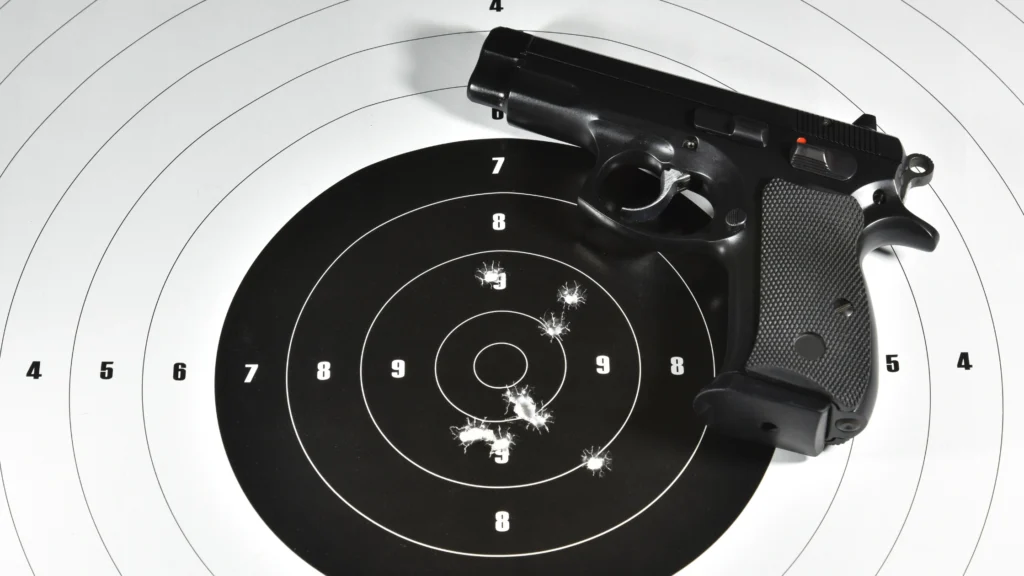
Is self-defense insurance worth it? After what you just read about Byrd and Carruth, I’d say that question answers itself. The real question is which one fits your life. Each of the four services below approaches self-defense legal protection differently — different coverage structures, different cost models, different strengths, and real weaknesses worth knowing before you sign up.
This is not a ranking. It’s an honest overview. Each service gets its own in-depth review linked below. What follows is enough to understand the landscape before you go deeper.
One thing before we go further. I have an affiliate relationship with Attorneys on Retainer. If you purchase through my link I may earn a commission at no additional cost to you. I do not have affiliate relationships with USCCA, CCW Safe, or US Law Shield. All four are included because all four are relevant — not because of who pays me. You deserve to know that going in.
USCCA is the largest and most recognized name in self-defense insurance for gun owners, with over 870,000 members.²² If money were no object it would be at the top of most people’s list — and I say that as someone who was a USCCA member, left for financial reasons, and would rejoin if circumstances changed.
I’m also a certified USCCA Concealed Carry and Home Defense Instructor. That’s not a sales pitch. It means I’ve seen their educational content from the inside, and it’s genuinely excellent. Their online training library alone has real value beyond the legal protection. If you’re serious about carrying responsibly, that content matters.
Here’s what sets USCCA apart from the others. Their legal protection has strengthened significantly in recent years. Higher membership tiers now include access to LifeLock identity protection — a practical addition given that high-profile self-defense cases can expose your personal information publicly in ways most people never anticipate.
The coverage structure is insurance-based, which matters for a specific reason. Insurance-based models operate under policy exclusions — specific circumstances where coverage can be denied. Before you sign up for any insurance-backed plan, read the full policy terms carefully. What gets covered and what doesn’t varies by provider and by membership tier. The full USCCA review breaks down exactly what their current policy covers and where the limits are.²³
That’s not a knock on USCCA specifically. It’s how insurance works. The question is whether any of those exclusions apply to your real life and your real carry situations. Read the fine print before you need it.
Whether those exclusions affect you depends on your specific situation. The full USCCA review breaks down every membership tier, current pricing, coverage details, and the good, bad, and ugly.
CCW Safe was founded by former law enforcement officers — people who have personally been on both sides of a use-of-force incident. That background shapes how they think about coverage. Their membership plans are built around legal protection, critical response intervention, and emotional support.²⁴
Their primary differentiator is unlimited legal defense coverage. No cap on attorney fees. No cap on case costs. For a case like Byrd’s — ten months, full trial, multiple attorneys — uncapped coverage is a significant advantage over plans with defined dollar limits. When you don’t know how long the process will take or how expensive it will get, a ceiling on coverage is a real liability.
Their National Trial Counsel Don West is one of the most recognized self-defense attorneys in the country. If you’ve followed any high-profile self-defense cases in recent years, you’ve likely seen his name.
Like USCCA, CCW Safe operates through an insurance-backed model. Exclusions exist. Their educational content — the Armed Defender’s Dilemma series in particular — is substantive and worth reading regardless of whether you become a member.
I have not been a CCW Safe member. My knowledge here is research-based and I’m telling you that plainly because you deserve to know the difference between someone who has lived with a service and someone who has studied it. The full review covers everything I found.
[Coming Week of May 7: Full CCW Safe Review — Is CCW Safe Worth It?]
US Law Shield operates differently from the other three. Rather than a national insurance or law firm model, they connect members with Independent Program Attorneys — state-specific legal professionals who know the self-defense laws in your jurisdiction.²⁵
That state-specific approach is both their strength and their limitation. If you live in a state with complex or restrictive self-defense laws — and several do — having an attorney who knows that specific legal landscape is a genuine advantage. Arizona self-defense law looks nothing like New York self-defense law. Local knowledge matters.
The tradeoff is real. The quality and responsiveness of your coverage depends significantly on which Independent Program Attorney you’re assigned. That’s a variable you can’t fully control going in.
US Law Shield tends to be among the more affordable options at entry level. For budget-conscious carriers who want legal protection without the premium cost of USCCA’s higher tiers, that’s worth considering. Just make sure you understand what you’re getting at that price point before you need it.
I have not been a US Law Shield member. Research-based knowledge, same disclosure as CCW Safe. One thing I can tell you from my USCCA instructor training — their Arizona “When Can I Shoot” guide is a $20 state-specific legal resource worth picking up separately regardless of which service you choose. I’ll have the link in the full review.
US Law Shield Website
[Coming Week of May 14: Full US Law Shield Review — Is US Law Shield Worth It?]
Attorneys on Retainer is the service my father and I chose. The reason comes down to one thing that separates it from every other option on this list.
It is not insurance. It is a law firm.
The Attorneys For Freedom Law Firm is the only law firm in the nation that accepts only retained self-defense cases — no privately retained cases outside of self-defense related criminal matters. Every attorney at the firm works as a team on every case.²⁶ Coverage decisions are made by lawyers, not insurance adjusters. When you’re sitting in a police station at 2am wondering what comes next, that distinction is not minor.
The weapon-agnostic coverage is what sealed it for my father and me. A bar fight. Martial arts. A knife. A beer bottle. The Attorneys on Retainer membership contains no exclusions for criminal acts, sensitive places, domestic violence, alcohol and drugs, illegal weapons, prohibited possessors, negligent discharge, or lack of a CCW permit.²⁷
Read that list again. No exclusions for any of those situations.
That is a fundamentally different coverage philosophy than every insurance-backed competitor on this list. It reflects the reality that self-defense situations don’t always look like a clean draw from a holster in a well-lit parking lot. Sometimes they’re ugly. Sometimes they’re complicated. Sometimes the circumstances don’t fit neatly inside an insurance policy’s definition of a justified defensive shooting.
The tradeoff worth knowing: Attorneys on Retainer is an Arizona-based firm that works with local co-counsel nationally. If you want an attorney with deep roots in your specific state from day one, factor that into your decision.
[Coming Week of May 21: Full Attorneys on Retainer Review — Is Attorneys on Retainer Worth It?]

Not the worst-case scenario you’ve seen on the news. Your actual daily life.
Do you carry every day in a single state or do you cross state lines regularly? Do you carry only a firearm or do you rely on other means of defense depending on the situation — a knife, your hands, whatever is available? Do you work in an environment where a self-defense incident might look messier than a clean defensive shooting?
If you travel across multiple states regularly, state-specific coverage depth matters. If your self-defense toolkit extends beyond a firearm — and for a lot of people it does — weapon-agnostic coverage matters. If your daily environment puts you in situations that an insurance adjuster might later call a gray area, exclusion language matters more than monthly premium.
I carry every day in Arizona. My father and I both travel. We both wanted coverage that didn’t care what we used to defend ourselves or where we were when it happened. That’s why we chose Attorneys on Retainer. Your life may point you somewhere different. Answer the question honestly before you answer it with your wallet.
Self-defense legal protection you cancel in six months because the premium hurts is worth exactly nothing when you need it.
Pick the plan you can sustain. Not the plan that looks best on paper.
USCCA’s higher tiers offer the most comprehensive package but carry the highest monthly cost. CCW Safe’s unlimited coverage sits in the mid-range. US Law Shield tends to be the most accessible entry point. Attorneys on Retainer operates on a retainer model — confirm current pricing directly with them before you commit, as pricing changes and I won’t publish a number I can’t verify as current.²⁸
One thing most people miss when comparing monthly premiums. The premium is not the whole cost picture. Look at what each plan covers beyond attorney fees — bail, expert witnesses, psychological counseling, lost wages. Those line items add up fast in a real incident. A cheaper monthly premium with a lower coverage ceiling can cost you far more when it matters. Carruth found that out at $500,000.
This is the most important structural question and most people never think to ask it.
Insurance-backed plans — USCCA, CCW Safe, US Law Shield — are administered through insurance frameworks. That means a policy, policy terms, and the reality that a claim gets evaluated by someone whose job includes finding reasons coverage doesn’t apply. The coverage can be excellent. The exclusions are real. Know them before you need them.
Attorneys on Retainer is a law firm that represents you directly. No insurance adjuster in the chain. No policy exclusion language designed to limit payouts. The people making decisions about your defense are the same people who will stand next to you in court.
Neither model is inherently better. They reflect different philosophies about how legal protection should work. Your comfort level with each philosophy is a legitimate factor in your decision.
Whatever service you choose, make one phone call before you need it. Ask them three specific questions.
What do I say to police immediately after a self-defense shooting?
What do I say if I was defending someone else rather than myself?
What is the exact sequence — who do I call and in what order?
If they can’t give you clear, direct answers to all three, that tells you something important about the service. The people who are supposed to protect you in the worst moment of your life should be able to tell you exactly what to do before that moment ever arrives.
If they can’t answer those questions clearly on a Tuesday afternoon when nothing is on the line, what are they going to do at 2am when everything is?
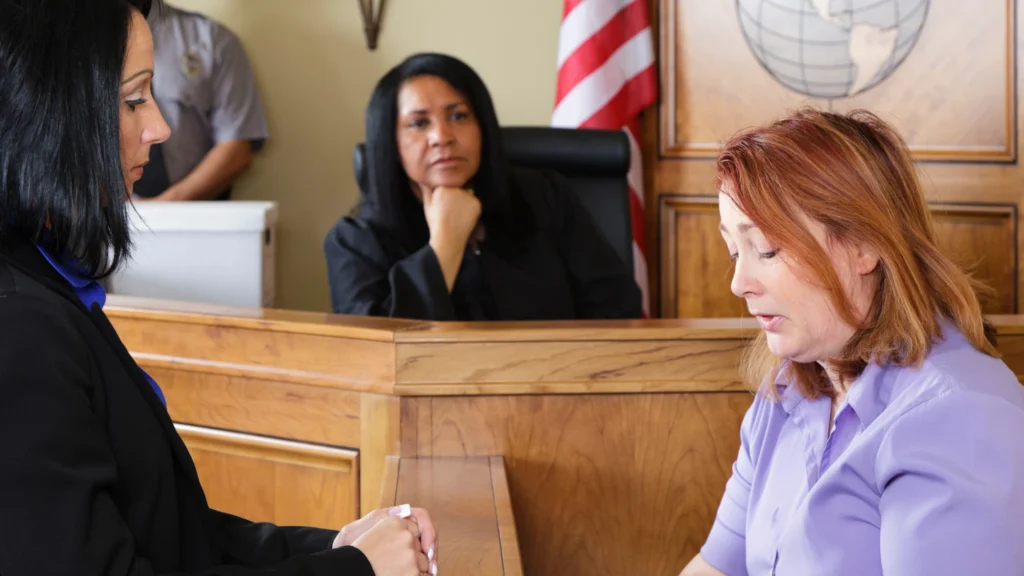
You carry a gun because you’ve accepted a responsibility most people quietly hope they’ll never have to act on.
You’ve bought the gun. Stocked the ammunition. Paid the range membership. Taken the classes. You’ve thought about the threat. You’ve prepared for the moment.
What you probably haven’t done is prepare for what comes after.
Maurice Byrd prepared for the threat. He had a carry permit, a plan, and thirty years of Army training behind him. He called 911 before the confrontation escalated. He stayed at the scene. He did everything right.
He still spent ten months in jail.
Kyle Carruth was cleared by a grand jury. No criminal charges. No conviction. No trial.
He still lost $500,000 and his business.
Being right is not enough. Being prepared is the only thing that changes the outcome. And being prepared means more than training for the threat — it means having a plan for what happens after you shoot someone in self defense, before you ever need it.
The decision isn’t which service to choose. That’s a detail. The real decision is whether you treat legal protection as part of your carry system the same way you treat your firearm, your holster, and your training. A gun without a plan for the aftermath is an incomplete system. Every responsible carrier deserves to understand that before they need it — not after.
I’ve carried for years. I think about this more than I’d like to admit. The scenario that keeps me up at night isn’t the threat itself. It’s doing everything right and still facing consequences I wasn’t prepared for because I hadn’t thought far enough ahead.
That’s the fear nobody in the firearms space talks about. I’m talking about it because somebody should.
Get covered before you need it. Because what happens after a self-defense shooting doesn’t care how good your gear is, how many rounds you’ve put downrange, or how justified you were.
It only cares whether you were ready for what came next.
Stay safe. Stay prepared.
This article contains an affiliate link for Attorneys on Retainer. If you purchase through this link I may earn a commission at no additional cost to you. I only recommend products and services I have personally used or researched thoroughly. My opinions are my own and are not influenced by compensation. I do not have affiliate relationships with USCCA, CCW Safe, or US Law Shield — if any of those turn out to be the right fit for you, I’m recommending them anyway.
LEGAL DISCLAIMER
I am not a lawyer. Nothing in this article constitutes legal advice. Self-defense laws vary significantly by state and municipality. It is your responsibility to know and understand the laws that apply where you live, work, and carry. If you have specific legal questions about your situation, consult a licensed attorney in your jurisdiction.
| Dave Pitcher, who’s been shooting and handling firearms since 1988. In addition, Dave’s served 12 years in the Army Reserve with deployments to Qatar and Afghanistan. This article is for educational purposes only and is not legal advice. Laws, rosters, and Glock’s discontinued list can change. Last updated: October 30, 2025. |
References
Join thousands of Everyday Gun Owners learning real-world preparedness, without the hype.